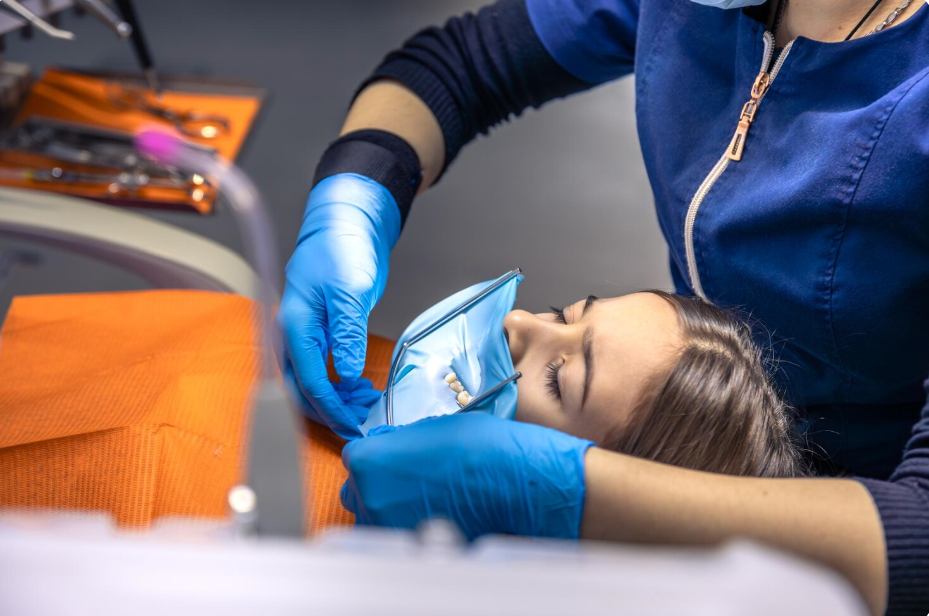
Dental emergencies can happen unexpectedly, causing pain, discomfort, and anxiety. Knowing how dental clinics in Glasgow manage urgent situations is crucial for patients to receive prompt, effective care. Emergency dental services are designed to address sudden issues quickly, minimise complications, and ensure long-term oral health. Understanding the process helps patients feel prepared and confident when seeking urgent dental care.
Identifying a Dental Emergency
Not every dental issue qualifies as an emergency. Glasgow dental clinics typically prioritise patients with conditions that involve severe pain, bleeding, trauma, or infection. Common emergencies include knocked-out or fractured teeth, sudden toothache, broken fillings or crowns, and abscesses.
Recognising the difference between minor problems and urgent issues is important. Minor discomfort, such as mild sensitivity or temporary irritation, usually does not require immediate attention, whereas severe pain or visible damage should be addressed promptly. Dental clinics often provide guidance over the phone to determine the urgency of the situation.
Quick Access to Care
One of the key features of emergency dental services is fast access to treatment. Many clinics in Glasgow offer same-day appointments or priority booking for urgent cases. This allows patients to receive timely relief, prevent worsening conditions, and reduce the risk of further complications.
Clinics often maintain dedicated emergency slots to accommodate walk-ins or last-minute appointments. By providing prompt attention, dentists can alleviate pain quickly and stabilise the problem before recommending further treatment.
Assessment and Diagnosis
Upon arrival, the dentist conducts a thorough assessment to determine the cause and severity of the emergency. This typically involves reviewing the patient’s dental history, performing an oral examination, and, if necessary, taking X-rays. Accurate diagnosis is essential for identifying underlying issues and creating an effective treatment plan.
During this process, the dentist evaluates whether immediate intervention is required or if temporary measures can relieve discomfort until a more comprehensive treatment is scheduled. Early and accurate assessment reduces the risk of infection and helps preserve natural teeth whenever possible.
Emergency Treatment Procedures
The type of treatment provided depends on the nature of the emergency. For severe toothache or infection, dentists may prescribe pain relief, antibiotics, or perform a root canal procedure. Broken or chipped teeth can be repaired with bonding, crowns, or temporary restorations. In cases of knocked-out teeth, dentists may attempt re-implantation if the patient arrives promptly.
Emergency care also focuses on stabilising the patient and preventing further damage. Pain management, control of bleeding, and infection prevention are priorities in urgent situations. The dentist may also provide guidance on home care to protect the affected area until follow-up treatment is completed.
Communication and Guidance
Effective communication is a critical part of emergency dental care. Dentists explain the situation, discuss immediate treatment options, and outline any necessary follow-up procedures. Patients are advised on what to expect during recovery and given instructions to manage pain, swelling, or discomfort at home.
Clear guidance ensures that patients are informed, reassured, and able to care for their teeth effectively after the emergency visit. Glasgow dental clinics prioritise patient education as part of the emergency management process.
Aftercare and Follow-Up
After the initial emergency treatment, follow-up appointments are scheduled to complete necessary procedures and monitor healing. This may include restoring damaged teeth, completing restorative treatments, or checking for complications such as infection or misalignment. Regular monitoring helps maintain long-term oral health and prevents future emergencies.
Conclusion
Dental emergencies require prompt, professional attention to alleviate pain, prevent complications, and preserve oral health. Clinics in Glasgow handle emergencies through quick access, accurate assessment, immediate treatment, and clear patient guidance. Understanding how dental emergencies are managed allows patients to respond confidently, ensuring effective care when unexpected dental issues arise. By choosing a clinic that provides reliable emergency services, patients can protect both their teeth and overall wellbeing.